

Human and AI

When Generative AI was introduced, it reached 100 million users within a single day. No other technology became so popular within such a short time. It's the first time in history that machines answer our questions and provide the impression that they reason. Fast forward to 2026, we see adoption of GenAI in many fields and a variety of cloud-based, locally hosted, and open-source models.
With the introduction of GenAI, tokens became the new currency. Initially, the price of these tokens was very low, and it appeared that we could consume them like open-source software. Massive investments made this development possible. The widespread adoption of GenAI and its appetite for processing power and energy created shortages of CPUs and data center capacity, and token prices skyrocketed. According to JPMorgan [1], token prices went up by 60% since 2025.
Initial adopters of AI-based approaches focused on automating tasks. From coding through documentation, testing, and troubleshooting production issues, AI became the tool of choice. Suddenly, teams were able to build everything they needed with a few prompts. Token prices were low, and organizations promoted their use.
Prompts soon became a bottleneck, forcing the introduction of Agent-based approaches. These AI Agents received powerful permissions to use tools and communicate with other Agents to achieve a predefined goal. As a result, token consumption increased dramatically, and we are seeing more data privacy and cybersecurity incidents due to unguarded Agents performing critical tasks, such as permanently deleting production data.
Will AI replace our people?
Someone could be worried about the future of the human workforce. History has shown that industrialization eliminated simple jobs, but it created more positions for the skilled workforce. Today we see a similar trend. AI replaces simple careers like data entry but creates many more high-paying opportunities for the AI-enabled workforce. Skills that were less important in the past are in demand today
# Critical Thinking
# System Design
# Troubleshooting
# Security and Reliability
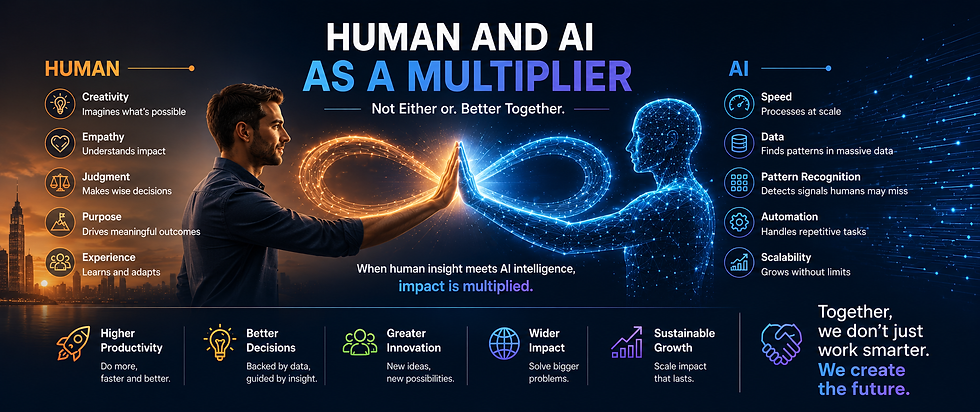
AI is a multiplier, and this is where the competitive advantage will come from. Human x AI will outperform the Human or the AI.
At Performetriks, we explored AI in 2022 and integrated it into our Gobenchmark platform. We rely on a combination of Human intelligence powered by AI. This approach works well because industry experts have developed domain knowledge that serves as a guideline for AI, and they oversee and approve AI-generated output. A continuous improvement process detects model drift and initiates corrective actions.
References


Comments